
Have you reached a point where your house feels too small? You may need more space for an office or a bedroom. This leaves you with a major choice. Should you expand the home or buy a new property?
The financial and emotional impacts of both sides are noteworthy. In our state, local building rules, town borders and real estate prices make this choice tough. Let’s compare buying vs expanding a home in CT.
When a Home Addition Makes Sense?
People often build deep roots in a town. If your kids go to a great school and you have a perfect commute, you probably do not want to leave.
An addition also makes sense if you have a great mortgage rate. If you locked in a low rate years ago, you will lose it if you buy a new house. Staying put saves you from high interest rates.
Your backyard must have physical space to grow, too. If you have a wide, flat lot, you can easily build outward. This path lets you design custom spaces. You can decide how many rooms you want and the best layout as per your lifestyle.
When Is Buying a New Home Better in CT?

As much as you love your current house, sometimes you cannot expand it. Deciding between a home addition vs moving often comes down to the shape of your house and your lot.
Buying a new home is better if your current lot is too small. If your house sits close to your neighbor’s property line, local laws will block you from building outward.
Some houses also have tough layouts. It’s difficult to add a large room to an old home without ruining its appearance. A remodeling cannot solve problems related to a small yard or the town.
The local real estate market can also guide you. If you find a home nearby that already has the exact square footage you need, purchasing that home is much easier than months of construction noise.
Cost Comparison of Home Addition vs. New Home in Connecticut!
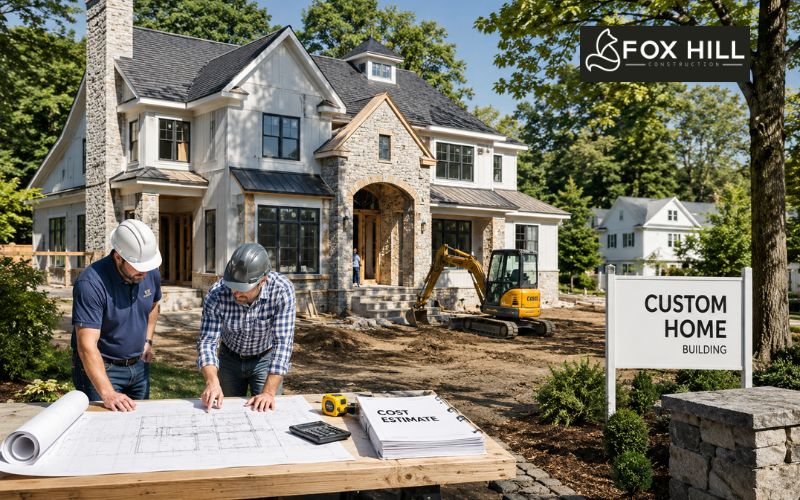
Money is the main factor for most families. You must understand the real math behind both options. The cost of a home addition is between $125 and $350 per square foot.
- Simple rooms are the most affordable option.
- Bathrooms and kitchens need complicated plumbing and electrical work, so the cost is high.
- You can build a second story. This demands structural support and it is expensive addition.
| Project Type | Average Connecticut Cost Range | Important Details |
| Simple Bump-Out | $15,000 – $40,000 | Minor expansion without plumbing |
| New Bedroom | $45,000 – $80,000 | Basic framing and walls |
| Primary Suite and Bath | $90,000 – $180,000 plus | Modern tiles with a new plumbing system |
| Full Second Story | $175,000 – $350,000 plus | Roof removal and foundation reinforcement |
Moving also has high hidden costs. When you sell your home and buy a new one, you pay agent commissions, home preparation costs, state transfer taxes, and bank fees. You must also pay professional movers. It can increase to 10% of your home’s total value. That is money you spend without getting any actual square footage.
Space and Layout Considerations for Your Home!
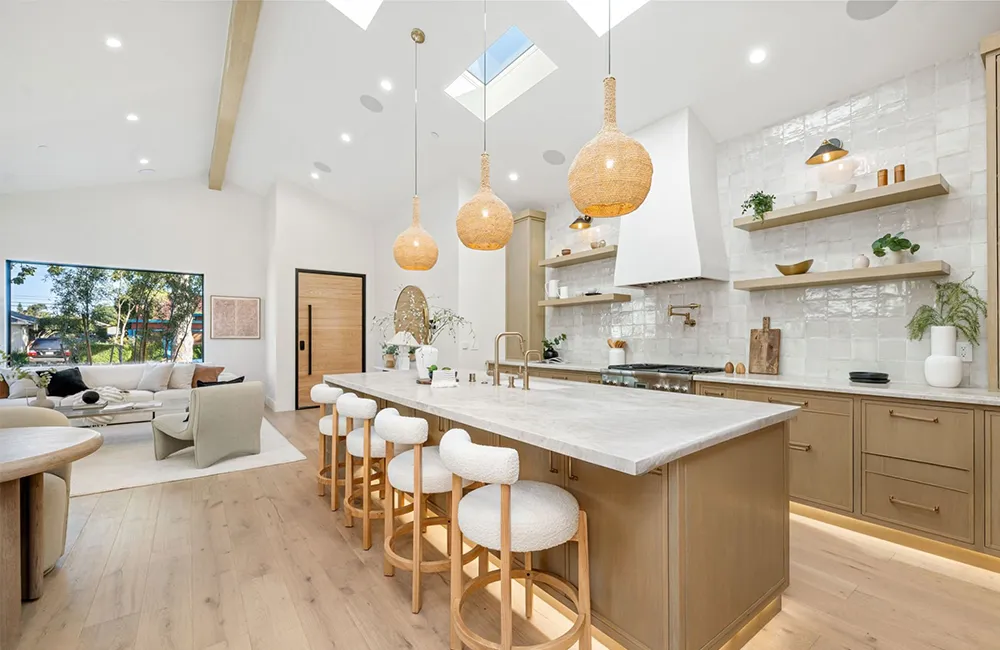
Take a close look at your home’s current layout. Walk through your rooms and think about how a new space will connect to your old rooms.
What will happen if you build a room next to your kitchen? Will it block natural light? Where will you add stairs if you add a second floor?
A skilled builder can look at your house and find smart ways to use your current space. Sometimes, a smart floor plan redesign is the best option for more space that Connecticut families can find.
Zoning, Permits and Lot Limits in Connecticut!
Connecticut has very strict building codes. You cannot just build whatever you want on your property. You must get home addition permits and follow local zoning laws.
- Setbacks: Every town has rules about how close your house can sit to your property lines. If your current house is close to the edge of your yard, the town will deny your permit.
- Lot Coverage: Towns limit the percentage of your lot that you can cover with roofs, driveways, and decks. If your home is already at the limit, you cannot build outward.
- Septic Rules: The town health department must approve the addition if your place has a septic tank. You may have to install a brand-new septic tank just to get your building permit.
Timeline and Project Stress
Construction is stressful. Your home will become a busy work site for months. You will have to deal with loud noise, drywall dust, and workers in your driveway.
A home addition project can take three to nine months. The timelines are even longer if you have to build a second story. You may have to rent a temporary place to live. This increases the cost.
Resale Value and Long-Term Investment
You must think of your home as a long-term investment. You do not want to spend more money on your house than you can get back when you sell it.
Every town has a specific price range. Let’s assume that an average house in your town is $400,000. You cannot get the money back if you spend $250,000 on a massive addition.
But if you live in a high-value market, a custom addition is a smart investment. If you compare a home addition vs. a new home in Darien, building onto your home is often the best choice. Land is rare and expensive. Expanding your current house lets you stay in a prime spot without the high cost of a new land purchase.
How to Choose between Home Addition vs. Buying a New Home in CT?
If you are feeling stuck between a home addition and buying a new home, answer these four questions. It will make your decision easier.
- What is the existing mortgage rate? If your current rate is very low, stay there and expand your home.
- Does my yard have physical space? Look at your property map to see if you have room to build.
- Are there good homes for sale right now? Visit some local open houses to see if any fit your needs.
- Can my family handle construction? If you hate noise and mess, moving might be the easier choice.
Conclusion
Both paths have great benefits. If you want a fresh start in a new neighborhood, moving is wonderful. But if you love your current street, have a great mortgage rate, and have the physical space to grow, a custom addition is the best way to get your dream home.
If you decide to stay and expand, you need a builder you can trust. Fox Hill Construction has over 40 years of local experience. We build custom, high-quality home additions across Connecticut. We know our state’s strict building codes and complex permit rules.
Our owner, Nick Frate, personally visits every job site to oversee the work, so your project is in safe hands. Contact Fox Hill Construction today!
FAQs
Is it better to add onto a home or buy a new one in Connecticut?
It depends on your lot size and mortgage rate. If you have a low interest rate and space to grow, an addition is usually the best financial choice.
How much does a home addition cost in CT?
Most people pay between $125 and $350 per square foot for a standard addition. High-end materials will push this price up.
Will a home addition increase my home’s value?
Yes, additions add real value. Just keep your total price close to the average home value on your block.
How long does a home addition usually take?
Plan for three to nine months of construction time to finish the job.
What zoning rules affect home additions in Connecticut?
Town rules limit how close you can build to property lines. They also regulate septic capacity and nearby water sources.
When does buying a new home make more sense than adding on?
Moving is the better path when your yard is too small for a permit. You should also buy a new place if your house layout is too difficult to change.
How do I know if my lot can support an addition?
You need a professional property survey to check your yard’s boundaries and setback lines.
What are the hidden costs of moving vs. adding on?
Moving has hidden costs like agent fees, transfer taxes, and moving truck rentals. Adding on has costs like permits, soil tests, and septic upgrades.